Food & Drink
Hungarian Foods to Try in Budapest
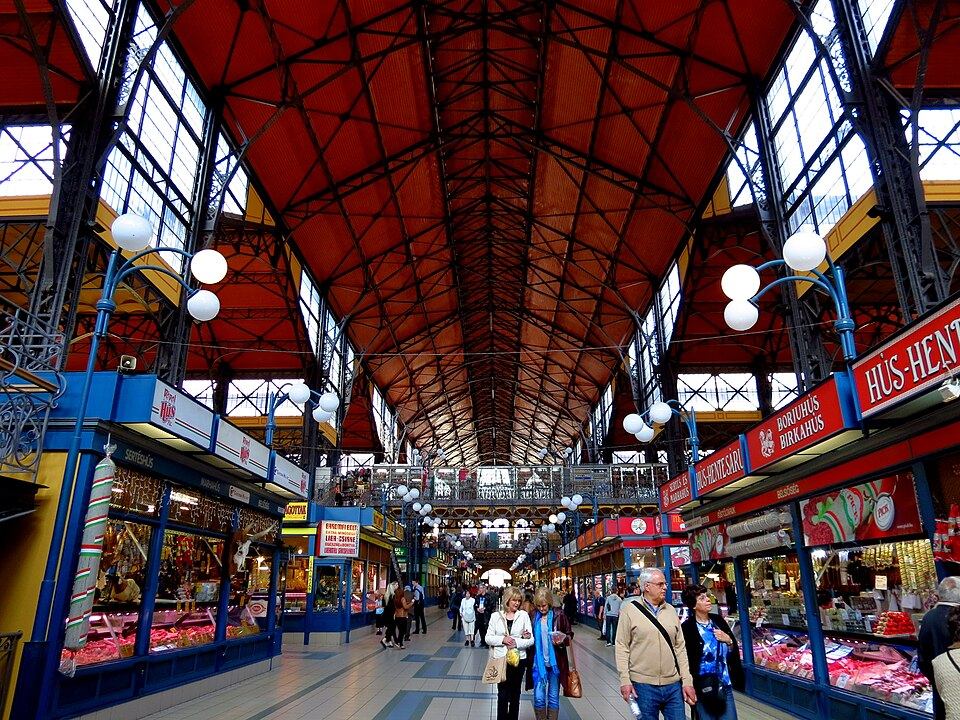
Photo: xorge via Wikimedia Commons, CC BY-SA 2.0
_(13227531404).jpg)
At a Glance
- Goulash in Hungary is typically a paprika-forward soup, not the thick stew some visitors may expect.
- Langos, fried dough topped with sour cream and cheese, is sold everywhere from market halls to street kiosks.
- Many classic dishes lean heavily on pork fat and dairy, so vegetarians need to ask about preparation, not just ingredients.
- The Great Market Hall and smaller neighborhood markets are good places to taste several dishes in one stop.
- Portions at traditional Hungarian restaurants tend to run large, so sharing starters is common and practical.
In this guide
Hungarian cooking leans on paprika, pork fat, and slow braises, and a few dishes show up so often that it's worth knowing what they actually are before you sit down. Many of the names will sound familiar from interpretations served elsewhere that only loosely resemble what's served in Budapest. The dishes below span market stalls, neighborhood bistros, and formal dining rooms, and the version you get often depends heavily on where you order it.
Goulash Is a Soup, Not Always a Stew
In Budapest, gulyas is most often a paprika-red soup built on beef, onions, and potatoes, thinner and more brothy than the thick stew many visitors picture. What English-language menus sometimes call "goulash" in a heavier, stew-like form is closer to what Hungarians call porkolt, a dense meat braise served over pasta or dumplings. Both are worth trying, but they're genuinely different dishes, and a good menu in the city center will usually distinguish between them. Expect a deep red color from ground paprika, a noticeable but not overwhelming heat, and caraway seed as a common background note.
Chicken Paprikash and Hungary's Paprika Habit
Paprika is less a seasoning here than a structural ingredient, and csirke paprikas, chicken braised in a paprika-and-sour-cream sauce, shows what that looks like at its best. The sauce is usually served over nokedli, small soft dumplings similar to spaetzle, which do the job of soaking up the sauce rather than competing with it. Quality varies a lot between a tourist-menu version and one made with real soured cream, so this is a dish where a slightly higher price often buys a noticeably better plate.
Langos: The Fried Dough Budapest Can't Stop Eating
Langos is a fried disk of yeasted dough, traditionally topped with sour cream and grated cheese, and it functions as both street food and a market-hall staple. You'll find stalls selling it everywhere from fairs to the upper floor of the Great Market Hall, where it's one of the easiest things to try without committing to a sit-down meal. Toppings have expanded well beyond the classic version to include garlic, ham, and shredded cheese combinations, though the plain sour-cream-and-cheese version remains the benchmark.
Stuffed Cabbage and Other Sunday-Table Classics
Toltott kaposzta, cabbage leaves rolled around seasoned pork and rice and simmered in a paprika-tinged sauce, is a dish Hungarian families associate with Sunday lunch more than restaurant dining, though plenty of traditional restaurants serve it. It sits in the same family as other slow-cooked, meat-centered staples that dominate older Hungarian menus, which is part of why travelers eating vegetarian or vegan in Budapest often need to look specifically for dishes built around lecso, a pepper-and-tomato stew, or fried cheese rather than assuming a vegetable side will be meat-free.
Dobos Torte, Strudel, and the Hungarian Sweet Table
Dessert in Budapest has its own identity, built around layered cakes and strudel rather than familiar pastry-shop staples. Dobos torte, thin sponge layers alternating with chocolate buttercream under a hard caramel top, is the most famous example and originated in the city in the 19th century. Retes, a stretched-dough strudel filled with apple, cherry, or sweet cheese, is the other staple, and both are as closely tied to the city's historic coffeehouse culture as to any restaurant menu.
Where You'll Find Each Dish
Not every dish turns up in every setting, and knowing where to expect what can save you some guessing:
| Dish | Typical Setting | What to Expect |
|---|---|---|
| Gulyas (goulash soup) | Traditional restaurants, bistros | Paprika-forward beef soup, served as a starter or light meal |
| Csirke paprikas | Sit-down restaurants | Creamy paprika chicken over dumplings |
| Langos | Market halls, street stalls, fairs | Fried dough, casual, eaten standing or at shared tables |
| Toltott kaposzta | Traditional, home-style restaurants | Stuffed cabbage rolls, hearty portion |
| Dobos torte, retes | Cafes, bakeries, coffeehouses | Best paired with coffee, sold by the slice |
How to Order Without Guessing
Menus in heavily touristed parts of District V are usually translated into English, but translations don't always flag how rich or heavy a dish is, so it helps to ask your server directly rather than relying on the name alone. Pointing at a neighboring table's plate, a habit that feels awkward at home, is completely normal here and often the fastest way to figure out portion size before you order. For broader context on how service, pacing, and the bill itself work, it's worth reading through general Budapest dining etiquette before your first sit-down meal.
Common Mistakes to Avoid
- Assuming "goulash" means a thick stew — in Budapest it's usually a soup, and the stew-like dish has a different name (porkolt).
- Ordering a full-size traditional entree without checking portion size first, then being unable to finish a second course.
- Expecting vegetable side dishes to be automatically vegetarian — many are cooked in meat stock or finished with lard.
- Skipping the market-hall food stalls because they look like a tourist trap — they're one of the easiest ways to taste several dishes without committing to a full restaurant meal.
Frequently Asked Questions
Is Hungarian food very spicy?
Not usually in the way Mexican or Thai food is spicy. Paprika contributes color and a deep, slightly smoky flavor more than intense heat, though some dishes include hot paprika or fresh peppers as a side condiment you can add yourself.
What's the difference between goulash and paprikash?
Gulyas is a brothy soup, usually built on beef, while paprikas is a creamier, sour-cream-based braise most commonly made with chicken. Both rely on paprika, but they're served differently and taste noticeably different.
Can I find lighter options if I don't want a heavy meal?
Yes. Lecso, a pepper-and-tomato stew, and simple grilled dishes are common lighter alternatives, and many bakeries and market stalls sell smaller portions of langos or pastries if you just want a snack rather than a full meal.
Do restaurants in Budapest cater to tourists with English menus?
Most restaurants in heavily visited areas have English menus, though smaller neighborhood spots outside the center may not. A translation app or a few key food words can help if you venture beyond the main tourist streets.
Is it rude to ask what's in a dish before ordering?
No, it's a normal and expected question, especially for visitors navigating unfamiliar ingredients. Servers in tourist-frequented restaurants are generally used to explaining dishes in detail.