Food & Drink
Great Market Hall Guide: What to Eat and What to Expect
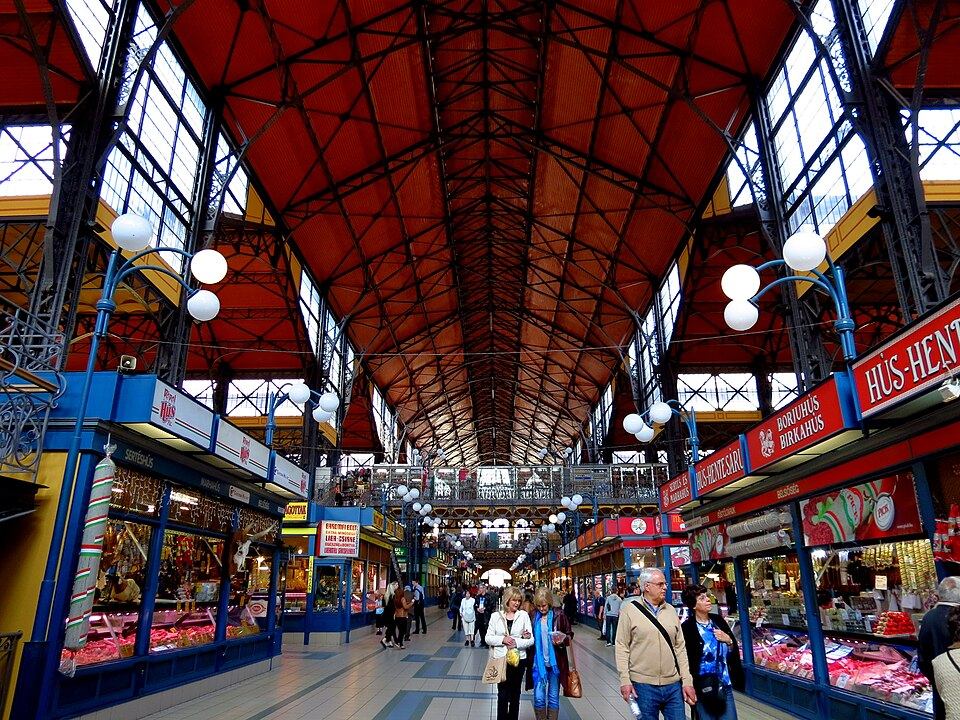
Photo: xorge via Wikimedia Commons, CC BY-SA 2.0
_(13227531404).jpg)
At a Glance
- The Great Market Hall (Nagycsarnok) is a working market as well as a tourist stop, so expect genuine grocery stalls alongside souvenir vendors.
- Upstairs food stalls are the easiest place to try several Hungarian dishes in one visit without booking a restaurant table.
- Ground-floor vendors sell paprika, salami, and Tokaji wine that travel well in a suitcase.
- Early mornings on weekdays tend to be calmer than midday, especially on weekends.
- It sits within easy walking distance of central District V, making it simple to combine with other sightseeing.
In this guide
- What the Great Market Hall Is and Why It's Worth a Stop
- Ground Floor: Produce, Paprika, and Souvenirs
- Upstairs: The Food Stalls and How to Order
- What to Eat There
- Shopping to Bring Home: Paprika, Wine, and Embroidery
- Best Times to Go and How Crowded It Gets
- Getting There and Combining It With Nearby Sights
The Great Market Hall, known locally as the Nagycsarnok, is the largest and most visited of Budapest's historic market halls, built in the 1890s as part of a wave of covered markets meant to organize and clean up the city's open-air food trade. It still functions as a real market for area residents, which is part of what makes it worth visiting rather than treating it as only a photo stop. The building itself, with its colorful tiled roof and iron-framed hall, is worth a slow look even before you consider the food.
What the Great Market Hall Is and Why It's Worth a Stop
The market occupies a single grand hall near the Pest end of Liberty Bridge, and its scale alone sets it apart from the smaller neighborhood markets scattered across the city. It draws a mix of locals doing weekly grocery shopping and visitors working through a list of Hungarian foods to try, and both uses coexist without much friction. Because it's a working market rather than a staged attraction, prices and quality at individual stalls vary, so it pays to look at a few vendors before buying rather than stopping at the first stall you see.
Ground Floor: Produce, Paprika, and Souvenirs
The ground level is dominated by fresh produce, meat, cheese, and spice vendors, with paprika in multiple grades stacked in small cloth bags and tins near the entrances. Souvenir stalls selling embroidered linens and porcelain-style gift items sit alongside genuinely local goods, and it takes a bit of browsing to tell which stalls cater mainly to tourists and which serve the neighborhood's actual shoppers.
Upstairs: The Food Stalls and How to Order
The upper level is where most visitors end up eating, lined with small stalls and shared counter seating rather than individual restaurant tables. Ordering generally works like a food court: you approach the counter, point or name the dish, pay, and carry your own tray to a seat. It's an efficient way to sample several of the Hungarian foods worth trying in Budapest without committing to a full sit-down meal, though seating fills up fast around midday.
What to Eat There
Langos is the single most popular item upstairs, fried to order and topped with sour cream and cheese, but most stalls also serve goulash soup, stuffed cabbage, and grilled sausage plates. Vegetarian options are more limited upstairs than on the ground floor, though a few stalls serve lecso or fried cheese; the guide to vegetarian and vegan food in Budapest has more detail on what to look for. Portions tend to be generous for the price tier, and it's common to see visitors splitting one large plate between two people.
Shopping to Bring Home: Paprika, Wine, and Embroidery
Beyond a meal, the market is a practical place to pick up gifts: vacuum-sealed paprika, bottled Tokaji wine, and dried mushrooms all pack reasonably well for the flight home. Vendors selling these goods are used to travelers and often speak enough English to explain the difference between sweet and hot paprika grades, which matters if you're buying for someone with a specific preference.
Best Times to Go and How Crowded It Gets
Crowd levels shift noticeably depending on the day and hour, and timing your visit can make a real difference to how relaxed it feels:
| Time | Typical Crowd Level | Notes |
|---|---|---|
| Weekday morning | Low to moderate | Best for browsing produce and photos without crowds |
| Weekday midday | High | Office workers and tourists overlap at the food stalls |
| Weekend morning | Moderate to high | Locals doing weekly shopping alongside visitors |
| Late afternoon | Lower | Many stalls begin closing earlier than a typical dinner hour |
Because closing times run earlier than most restaurants, this is a lunch or early-afternoon stop rather than a dinner option, and it's worth confirming current hours directly before building it into a tight schedule.
Getting There and Combining It With Nearby Sights
The market sits at the edge of District V, within easy walking distance of Liberty Bridge and the central shopping streets, which makes it simple to fold into a half-day of sightseeing on foot. Many visitors pair a market visit with a longer look at how dining and tipping generally work in Budapest, since the informal counter service here is a useful contrast to a formal restaurant meal later in the trip.
Common Mistakes to Avoid
- Treating the market as only a tourist attraction and skipping the ground-floor grocery stalls, which often have better prices and quality than souvenir counters.
- Showing up right before closing time expecting a full dinner — the market runs on daytime hours closer to a grocery market than a restaurant.
- Buying the first paprika or wine you see without comparing a couple of stalls, since prices for the same product can vary.
- Assuming every stall takes cards — some smaller vendors are cash-only, so carrying some forint is worth it.
Frequently Asked Questions
Is the Great Market Hall only for tourists?
No. It's a genuine working market used by local residents for everyday shopping, alongside stalls that cater more directly to visitors. That mix is part of what makes it worth visiting rather than only browsing a generic souvenir shop.
Can I get a full meal there, or just snacks?
Both. The upstairs food stalls serve full plates like goulash and stuffed cabbage alongside lighter snacks like langos, so you can treat it as either a quick bite or a proper lunch.
What's the best time to visit to avoid crowds?
A weekday morning is generally the calmest window. Midday on any day, and weekend mornings especially, tend to draw the largest combined crowd of shoppers and visitors.
Is it open every day?
Hours and weekly closing days can vary, so it's worth checking current information before you go rather than assuming it matches a typical retail schedule.
Can I pay with a card, or do I need cash?
Many stalls accept cards, but smaller vendors, especially for small produce purchases, may be cash-only, so it's practical to carry some forint just in case.