Trip Planning
How Many Days Do You Need in Budapest?
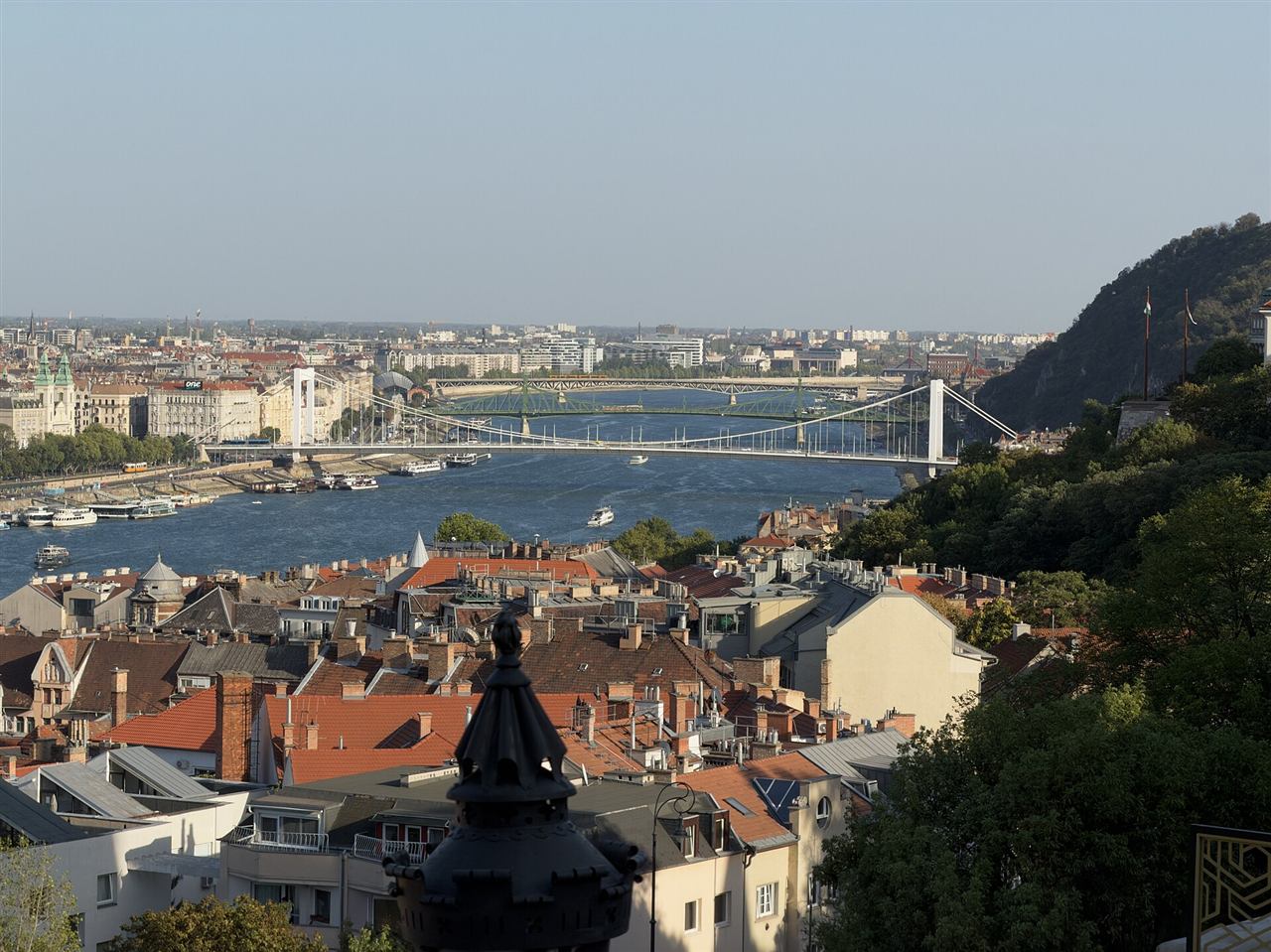
Photo: Mike is Michi via Wikimedia Commons, CC BY-SA 4.0

At a Glance
- Three to four full days covers Budapest's major landmarks on both sides of the Danube without feeling rushed.
- Two days works as a layover add-on to a longer Central Europe trip, but expect to skip at least one major sight.
- A week or longer makes sense if you want a day trip or a slow afternoon at a thermal bath without rushing back.
- Arrival and departure days rarely function as full sightseeing days once flights and airport transfers are factored in.
- Buda and Pest sit on opposite banks of the Danube, so moving between hill climbs and flat-city museums takes longer than a map suggests.
In this guide
- The Short Answer: Three to Four Days Covers the Essentials
- What a Two-Day Trip Realistically Leaves Out
- Matching Your Trip Length to Your Travel Style
- Day-by-Day Breakdown: What One, Three, Five, and Seven Days Typically Cover
- When a Week or Longer Starts to Pay Off
- How Arrival Logistics Shape Your First and Last Day
- Building In Buffer Time for Buda-Pest Logistics and Weather
Budapest regularly gets squeezed into a two-day stop between Vienna and Prague, but the city holds enough to fill a full week without repeating yourself. The right length for your trip depends less on a universal rule and more on how you like to travel: fast-paced sightseeing, a slower cultural pace, or a mix of city time and a regional day trip. This breakdown shows what each trip length realistically delivers so you can match your calendar to what matters most to you.
The Short Answer: Three to Four Days Covers the Essentials
For most first-time visitors, three to four days is the sweet spot. That's enough time to cover Castle Hill, the Parliament area, a thermal bath visit, and at least one evening along the Danube, without treating every morning like a sprint. A detailed three-day Budapest itinerary typically splits the Buda side and the Pest side across separate days, which keeps walking distances sane and leaves room for a long lunch or an unplanned detour into a courtyard cafe.
What a Two-Day Trip Realistically Leaves Out
Two days is workable if Budapest is a stopover rather than the main event. You can realistically see the Castle District, cross to Pest for the Basilica and the river views, and fit in one bath visit. What usually gets cut is a second bath, a museum with real depth like the National Museum, and any day trip outside the city. If your itinerary already looks tight, it's worth reviewing it against a trip planning checklist before you lock in flights, since a packed two-day plan leaves almost no room for delays.
Matching Your Trip Length to Your Travel Style
Travelers who prefer to move quickly through a checklist of landmarks can cover more ground per day than those who like to sit in a bath for three hours or linger over a long Hungarian dinner. If you know you're a slower traveler, add a day to whatever the standard itinerary suggests. If you're coming from a cross-Atlantic flight, also build in some recovery time, since the time difference from home is often substantial for travelers arriving from outside Europe, and the first evening is rarely a good one for an ambitious schedule.
Day-by-Day Breakdown: What One, Three, Five, and Seven Days Typically Cover
| Trip length | What you'll typically fit in | What usually gets skipped |
|---|---|---|
| 1 day | Castle Hill highlights, one side of the river, a quick bath visit or a Danube walk | Museums, a second bath, any day trip |
| 3 days | Both riverbanks, one full bath visit, Parliament area, a market hall meal | Regional day trips, most museum interiors |
| 5 days | Everything in the 3-day plan plus a day trip (Szentendre or the Danube Bend) and a second bath | Lake Balaton, slower neighborhood exploration |
| 7+ days | A relaxed pace throughout, two day trips, repeat bath visits, time for coffeehouses and live music | Little, aside from far-flung regions outside Hungary |
When a Week or Longer Starts to Pay Off
A week makes the most sense for travelers who want to pair city time with one or two trips outside Budapest. A short rail trip to Szentendre or a longer excursion around the Danube Bend both work well as a single extra day without disrupting the rest of your plan; see our Szentendre day-trip guide for how that fits into a longer stay. A week also removes the pressure to see everything on day one, which matters if you're adjusting to the time difference or traveling with people who want a different pace than you do.
How Arrival Logistics Shape Your First and Last Day
Don't count your arrival or departure day as a full sightseeing day. Between the flight itself, immigration, and the ride into the city, most travelers lose the better part of a day on each end of the trip. The season you visit also affects how much ground you can comfortably cover; a July afternoon with long daylight hours behaves very differently from a short December day, which is covered in more detail in our guide to the best time to visit Budapest.
Building In Buffer Time for Buda-Pest Logistics and Weather
Castle Hill involves a genuine climb, whether on foot, by funicular, or by bus, and that adds time that a flat city map won't show. If you're traveling with anyone who has mobility considerations, build in extra time for the hill sections and check our notes on getting around Budapest with reduced mobility before finalizing a tight schedule. Whatever your trip length, leave at least one buffer block per day for weather, transit delays, or simply wanting to stay somewhere longer than planned.
Common Mistakes to Avoid
- Treating Budapest as a one-night layover between other cities, which only allows time for a handful of landmarks and no real breathing room.
- Packing an itinerary so tightly that a single delayed flight or a closed attraction derails the whole day.
- Ignoring the time lost to jet lag on the first night, especially for travelers arriving on a long-haul overnight flight.
- Underestimating travel time between Buda and Pest, which involves crossing the river and often climbing Castle Hill.
- Scheduling a thermal bath visit back-to-back with a big walking day, when baths are best enjoyed with time to actually relax.
Frequently Asked Questions
Is 3 days enough for a first trip to Budapest?
Yes, for most travelers three days covers the core landmarks on both sides of the river along with one thermal bath visit. It won't leave much room for a day trip or deep museum visits, but it's a solid, well-rounded introduction to the city.
What can I realistically see with just one full day?
One day is enough for the Castle District highlights, a walk or tram ride along the Danube, and either a quick bath visit or an evening river view. You'll need to pick one side of the city as your focus rather than trying to cover both thoroughly.
Should I add a day trip to my Budapest itinerary?
If you have five or more days, a day trip to somewhere like Szentendre or the Danube Bend is a worthwhile addition and breaks up city sightseeing with a different pace. With three days or fewer, it's usually better to stay focused on the city itself.
Is a week too long to spend in Budapest?
Not at all. A week allows a genuinely relaxed pace, time for two baths, a day trip or two, and enough slack to linger in coffeehouses or catch a concert. Many repeat visitors say a longer stay is when the city starts to feel less like a checklist.
How many days do I need to see both Buda and Pest properly?
Plan on at least two full days split between the two sides, ideally with a third day to revisit anything you rushed through. Crossing the river and climbing Castle Hill both take longer than they look on a map, so don't try to do both sides justice in a single day.