Getting Around
Getting Around Budapest With Reduced Mobility
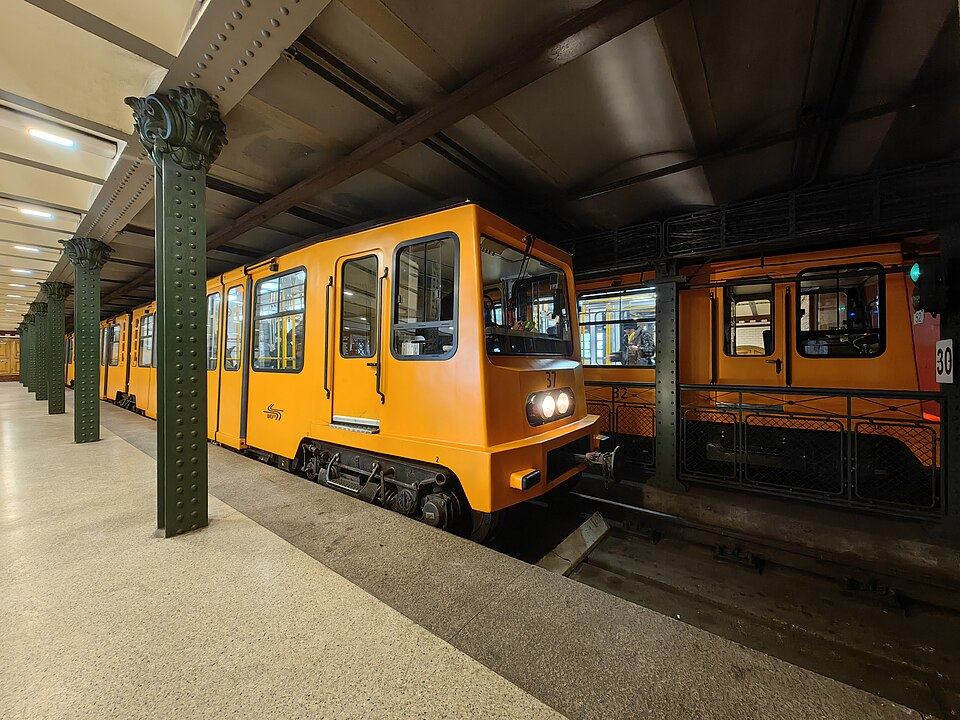
Photo: Random photos 1989 via Wikimedia Commons, CC BY-SA 4.0

At a Glance
- Accessibility infrastructure in Budapest varies significantly by transit mode, station, and building age.
- Newer metro lines tend to have more elevators and step-free access than some older trams and buses.
- Cobblestones and hills in historic districts like Castle Hill can be challenging regardless of transit access.
- Many major sights and some thermal baths offer accessibility accommodations, but specifics should always be confirmed directly.
- Contacting BKK, individual venues, or your accommodation ahead of time is the most reliable way to plan.
- Pre-booked private transfers can reduce uncertainty for travelers who find public transit logistics difficult.
In this guide
- Why You Should Verify Specifics Before You Go
- Public Transit: General Patterns
- Terrain and Historic Districts
- Thermal Baths and Accessibility
- Airport and Transfer Options
- Planning Your Accommodations and Itinerary
- Comparing General Mobility-Friendliness by Area
- Who to Contact When You Need a Confirmed Answer
Planning a Budapest trip with a mobility device, a mobility limitation, or simply a strong preference for step-free routes takes a bit more research than a typical first-time visit, and the honest answer is that conditions vary a lot across the city. Some parts of the transit network and some newer attractions have made real strides toward accessibility, while older buildings, cobbled streets, and parts of the historic core present genuine physical barriers. This guide is meant as a starting point for that planning, not a guarantee of specific conditions, since infrastructure changes and the details that matter most to you may differ from someone else's experience.
Why You Should Verify Specifics Before You Go
Accessibility information tied to a particular station, vehicle, or venue can become outdated quickly, whether because of renovation, temporary construction, or equipment that's out of service on a given day. Rather than repeating specific claims here that we can't verify as currently accurate, this guide focuses on general patterns and, more importantly, on exactly who to contact and what to ask before you rely on a particular route or venue. Treat anything you read online, including this guide, as a starting point for your own direct confirmation rather than a guarantee.
Public Transit: General Patterns
Budapest's newer metro infrastructure, including the M4 line and renovated sections of other lines, has generally been built or upgraded with elevators and step-free access in mind, while some older stations and much of the historic tram and bus fleet were not originally designed with wheelchair users or limited-mobility travelers as a priority. This means accessibility can differ significantly from one station to the next, or one specific tram line to another, even within the same network. Before relying on a specific route, check BKK's official accessibility information, which covers the current state of elevators, ramps, and low-floor vehicles across the system, and consider contacting BKK directly if your plans depend on a particular connection working reliably. Our broader public transportation guide covers how the ticketing and network function overall.
Terrain and Historic Districts
Beyond the transit network itself, Budapest's historic districts present their own physical challenges. Castle Hill involves a genuine climb and cobblestone streets once you're at the top; the funicular up to Castle Hill is one option, though its operating status and accessibility features should be confirmed directly before you plan around it. The Jewish Quarter and parts of central Pest also have uneven, older sidewalks and cobbled sections that can be difficult for wheelchair users, those using mobility aids, or anyone sensitive to uneven surfaces. Curb cuts exist in many places but are not universal, particularly on smaller side streets.
Thermal Baths and Accessibility
Some of Budapest's thermal baths have made accommodations for visitors with mobility limitations, including specific pools or changing facilities, but the extent and quality of these accommodations vary by bath and can change with renovations. If visiting a thermal bath is a priority for your trip, contact the specific bath directly, or check its official website where available, to ask about current accessible entrances, changing rooms, and pool access rather than assuming a bath is or isn't suitable based on general reputation. Our guide to Budapest's thermal baths for first-time visitors covers the baths generally, but accessibility specifics should come from the venue itself.
Airport and Transfer Options
For the trip into the city from the airport, a pre-booked private transfer removes much of the uncertainty that public transit can introduce for travelers managing a mobility device, since you can communicate your specific needs, such as a particular type of vehicle, to the transfer company in advance. Many transfer companies can accommodate specific requests when you book, but confirm vehicle type and space directly rather than assuming a standard booking includes it automatically. See our guide on getting from the airport to the city center for the full range of options.
Planning Your Accommodations and Itinerary
Where you stay can meaningfully affect how much physical difficulty you encounter day to day. A hotel or apartment with confirmed step-free access and an elevator, located in a flatter part of central Pest rather than up on Castle Hill, generally simplifies daily logistics, and it's worth building these questions into your Budapest travel planning checklist well before departure. When booking, ask specific questions, such as whether there are stairs between the entrance and the elevator, rather than relying on a listing's general "accessible" label, since standards and terminology vary by property and by booking platform.
A Practical Pre-Trip Checklist
- Contact BKK directly for current accessibility details on the specific metro, tram, or bus lines your itinerary depends on.
- Call or email any thermal bath, museum, or venue with accessibility-specific questions before booking tickets.
- Confirm with your hotel or apartment host exactly what "accessible" means for that property, including entrance steps and elevator availability.
- Consider a pre-booked private transfer for the airport leg and any day trips, so you can specify vehicle needs in advance.
- Build extra time into your itinerary for navigating historic districts like Castle Hill, where terrain alone adds difficulty regardless of transit access.
Comparing General Mobility-Friendliness by Area
| Area | General Terrain | Notes |
|---|---|---|
| Central Pest (District V) | Mostly flat, mixed sidewalk quality | Good base; confirm specific hotel access |
| Castle Hill / Buda | Steep, cobbled | Funicular or vehicle transport recommended; verify current operation |
| Jewish Quarter | Flat but uneven, older sidewalks | Some curb cuts, not universal |
| City Park area | Flat, open | Generally easier terrain for walking or rolling |
Who to Contact When You Need a Confirmed Answer
For transit specifics, BKK's official customer service channels are the most reliable source. For a specific landmark, museum, or bath, the venue's own official site or direct contact line is best. For broader travel questions, Budapest's official tourist information service can often point you toward current resources. Treat general travel guides, including this one, as orientation rather than a final word on any single location's current accessibility.
Common Mistakes to Avoid
- Assuming a metro line's accessibility applies uniformly to every station on that line; elevator availability can vary station by station.
- Planning a route entirely around older trams or buses without confirming whether they're low-floor, step-free vehicles.
- Booking a hotel listed as "accessible" without asking specific questions about entrance steps and elevator access.
- Not accounting for Castle Hill's steep terrain and cobblestones separately from transit accessibility, since the two are different problems.
- Relying on outdated online information about a specific bath or venue instead of contacting it directly before your trip.
Frequently Asked Questions
Is the Budapest metro wheelchair accessible?
Accessibility varies by line and by individual station; newer lines and renovated stations tend to have elevators, while some older stations may not. Check BKK's official accessibility information for current, station-specific details before relying on a route.
Are Budapest's thermal baths accessible for wheelchair users?
Some baths have made accessibility accommodations, but this varies by location and can change with renovations. Contact the specific bath directly to confirm current accessible entrances, changing facilities, and pool access.
Should I rent a wheelchair-accessible vehicle in Budapest?
If your itinerary depends on reliable, predictable transportation, a pre-booked private transfer or accessible vehicle service, arranged with specific requests communicated in advance, is generally more dependable than assembling a route from public transit alone.
Is Castle Hill manageable for someone with limited mobility?
Castle Hill involves a genuine climb and cobblestone streets at the top. The funicular is one option for the ascent, but its current operating and accessibility status should be confirmed directly before you plan around it.
Who should I contact for accurate accessibility information before my trip?
For transit, contact BKK directly. For a specific museum, landmark, or bath, contact that venue's official channels. For general trip questions, Budapest's official tourist information service can often help point you to current resources.