Neighborhoods
Where to Stay in Budapest for Your First Visit
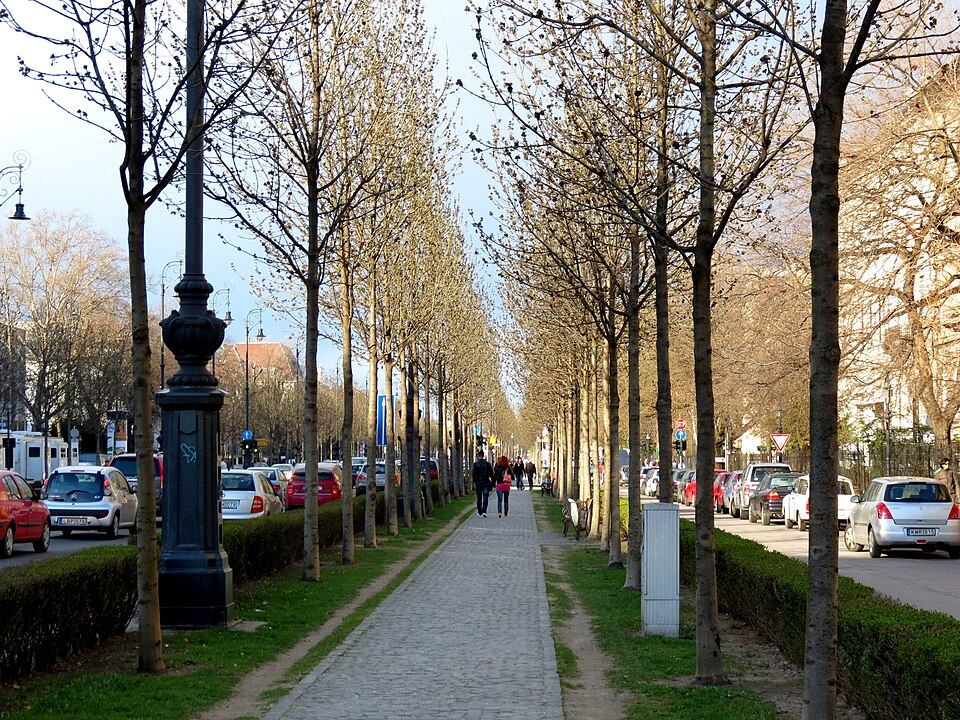
Photo: xorge via Wikimedia Commons, CC BY-SA 2.0
_(13229312245).jpg)
At a Glance
- Most first-time visitors base themselves in District V, VI, or VII on the Pest side, where walking covers most major sights.
- The Danube splits the city into hilly Buda and flat Pest, and the bulk of restaurants, shops, and landmarks sit in Pest.
- District VII, the Jewish Quarter, usually costs less than District V and has a livelier nightlife scene.
- A hotel near an M1, M2, or M3 metro stop or a riverside tram line cuts down on transfer time to the airport and train stations.
- Castle Hill and the Buda hills are better as a daytime visit than a home base for a trip of three or four nights.
- Central rooms with elevators and modern plumbing book up early during spring and the December holiday season.
In this guide
- How to Think About Location Before You Book
- The Short Answer for First-Time Visitors
- Comparing Budapest's Key Districts at a Glance
- District V and VI: Central Pest for Walkability
- District VII: The Jewish Quarter for Character and Nightlife
- Castle Hill and the Buda Side: Scenic but Slower
- Matching a Neighborhood to Your Travel Style
- How Airport and Train Access Factor Into Your Choice
Choosing a neighborhood matters more in Budapest than in many European capitals, because the Danube physically divides the city into two different kinds of terrain: a hilly, residential Buda and a flat, grid-patterned Pest. Where you sleep determines how much of your trip you spend walking to landmarks versus riding transit to reach them, and it shapes what your evenings look like once the day's sightseeing is done. This guide compares the handful of areas where visitors actually base themselves and matches each one to a different kind of trip, rather than repeating a single generic recommendation.
How to Think About Location Before You Book
Start with how many days you have and how you move through a city. If you're following a tight three-day itinerary built around the Castle District, the Parliament, and the baths, a central Pest location saves real time versus a quieter outer district. If you plan to rely heavily on transit, check proximity to a metro line before judging a neighborhood by its name alone; the Budapest public transportation guide covers how the metro, tram, and bus network actually connects these areas.
The Short Answer for First-Time Visitors
For a first visit, central Pest, specifically District V, District VI, or the lower part of District VII, is the easiest call. These districts put you within walking distance of the river, the Basilica, and the main shopping streets, and they sit on top of or near multiple metro lines. You give up some of the romantic hillside views of Buda, but you gain the ability to return to your hotel midday, change plans on a whim, and walk home after dinner instead of waiting on a night bus.
Comparing Budapest's Key Districts at a Glance
| District | Character | Typical Price Tier | Best For | Nightlife |
|---|---|---|---|---|
| V (Belváros-Lipótváros) | Central, polished, riverside | Higher | First-timers, couples | Moderate, upscale |
| VI (Terézváros) | Grand boulevards, cafés | Moderate to higher | Food and culture travelers | Moderate |
| VII (Erzsébetváros / Jewish Quarter) | Dense, historic, youthful | Moderate | Nightlife, budget-conscious travelers | High |
| I (Castle District / Víziváros) | Hilltop, historic, residential | Moderate to higher | Quiet stays, longer trips | Low |
| XI / XII (Buda hills) | Leafy, suburban-feeling | Lower to moderate | Longer stays, families wanting quiet | Low |
District V and VI: Central Pest for Walkability
District V is the commercial and political core of the city, home to the Parliament, St. Stephen's Basilica, and the pedestrian shopping streets around Váci utca. District VI picks up where V leaves off, with wider boulevards, historic coffeehouses, and the Opera House. Rooms here tend to run at the higher end of the market, but you're rarely more than a 15 to 20 minute walk from almost anything on a typical sightseeing list. The full breakdown of this specific area is covered in the District V guide to central Budapest.
District VII: The Jewish Quarter for Character and Nightlife
District VII blends serious historical weight, the Great Synagogue, the former ghetto streets, and a dense concentration of ruin bars and casual restaurants into a few square blocks. It's a good fit if you want to walk out your door into something lived-in rather than polished, and it's usually a bit easier on a budget than District V. It is also, by nature, louder at night; ask specifically about street-facing versus courtyard-facing rooms.
Castle Hill and the Buda Side: Scenic but Slower
The Buda side offers a genuinely different experience: quieter streets, the Castle District's cobbled lanes, and sweeping views back over the river to Pest. It suits travelers on a longer trip, or anyone who values quiet evenings over proximity to restaurants and bars. The trade-off is that nearly every sightseeing day starts with a bus, funicular, or a walk downhill and a climb back up. For a full comparison of the two sides of the river, see Buda or Pest: which side is better for your trip, and for what's actually on Castle Hill itself, the Castle District guide.
Matching a Neighborhood to Your Travel Style
Families often do well in District V or VI, where wide sidewalks, trams, and late-opening pharmacies simplify logistics. Couples looking for a special-occasion stay sometimes prefer a Buda hillside hotel with a view, accepting a longer commute into the city in exchange for quiet. Budget-focused travelers and younger groups usually land in District VII, where hostel and apartment rates are competitive and nightlife is a short stumble away rather than a taxi ride.
How Airport and Train Access Factor Into Your Choice
If you're arriving by air, note that nearly every part of central Pest connects to the airport to city center routes without a transfer in a taxi or shuttle, while reaching a Buda hillside hotel can mean an extra leg. If a day trip by train is part of your plans, being a short tram or metro ride from Nyugati or Keleti station is a real convenience worth weighing against a quieter but more removed address.
Common Mistakes to Avoid
- Booking a hotel based purely on photos of a river view without checking how far it actually is from a metro or tram stop; a stunning view can add 30 minutes to every outing.
- Assuming any address with "Budapest" in it is central; the city's numbered districts span a wide area, and some budget listings sit far outside the core.
- Choosing District VII without asking about street noise, then being surprised by weekend nightlife sounds carrying through older building windows.
- Overlooking elevator access; many beautiful 19th-century buildings in District V and VI were never fitted with elevators, which matters with luggage or mobility concerns.
- Waiting too long to book during the spring or December holiday window, when the best-located, elevator-equipped rooms sell out first.
Frequently Asked Questions
What is the single best area for a first-time visitor to Budapest?
Central Pest, meaning District V, District VI, or the lower part of District VII, works best for most first-time visitors because it keeps the Castle District, the Basilica, and the river within easy walking or short transit range. It also keeps you close to multiple metro lines in case plans change.
Is it better to stay in Buda or in Pest?
Pest is better for most short trips because it's flatter, denser with restaurants and sights, and better served by the metro. Buda offers quieter streets and better views, which suits longer stays or travelers prioritizing calm over convenience.
How far in advance should I book a central hotel in Budapest?
Book at least two to three months ahead for travel during spring, early fall, or the December holiday market season, since centrally located rooms with modern amenities sell out first in those windows. Shoulder-season and winter travel usually allows more flexibility.
Are the ruin bars and nightlife in District VII a problem for sleep?
It depends on the specific building and room. Courtyard-facing or upper-floor rooms away from the main nightlife streets are usually fine, but a street-facing room on a popular block can be noisy on weekend nights, so it's worth asking directly when booking.
Is Budapest generally safe to walk around at night in these central areas?
The central districts covered here are well-trafficked and well-lit at night, and walking after dinner is common practice for visitors and locals alike. As anywhere, stay aware of your surroundings and keep valuables secured, and check your home country's official travel advisory for any current guidance before your trip.