Trip Planning
How Much Does a Budapest Trip Cost?
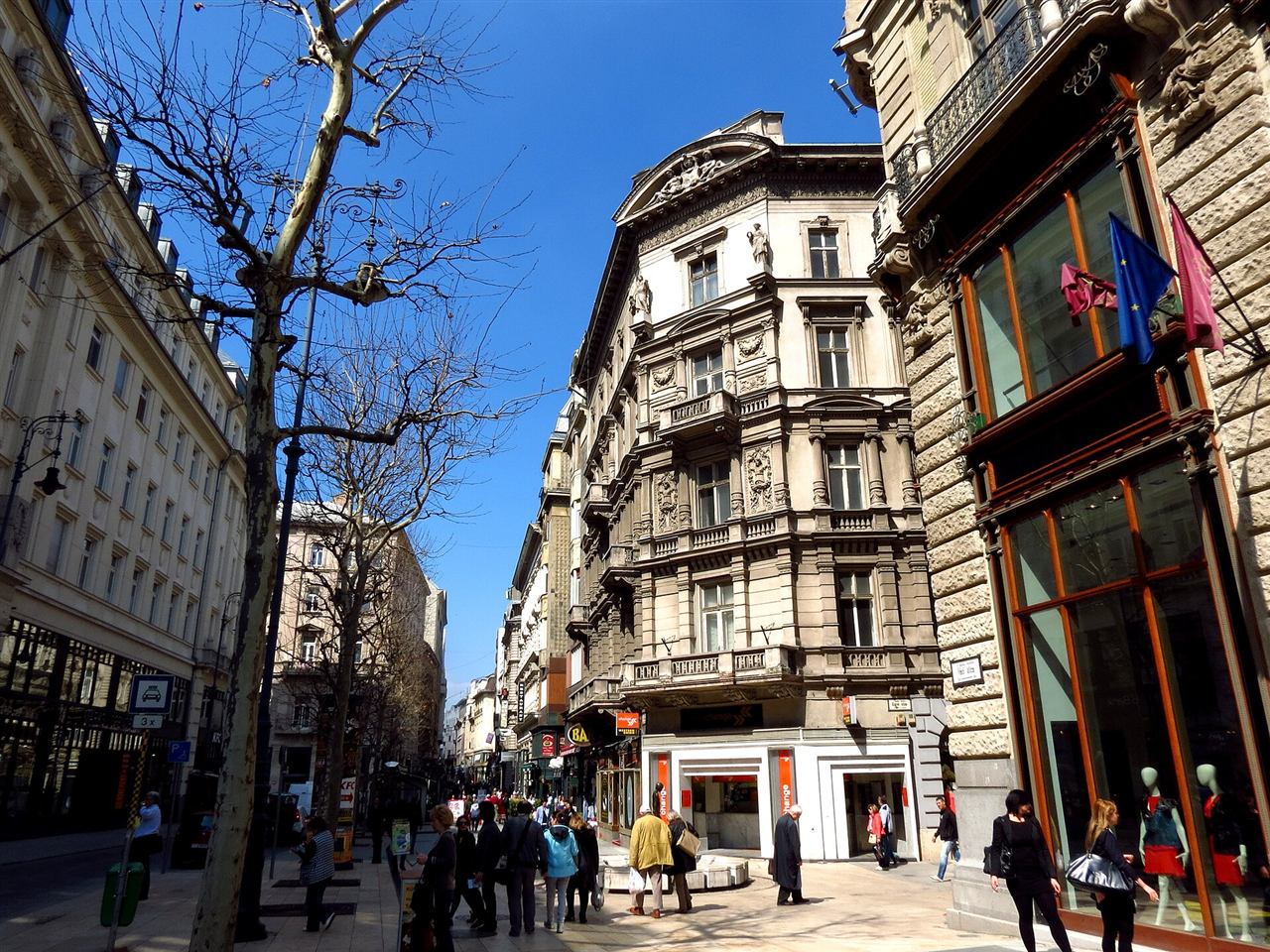
Photo: xorge via Wikimedia Commons, CC BY-SA 2.0
_(13227337414).jpg)
At a Glance
- Budapest generally costs less than Western European capitals like Paris or Amsterdam, but it isn't as inexpensive as it was a decade ago.
- Lodging and food are where budget, moderate, and higher-comfort trips diverge most, more than transportation or attractions.
- Dynamic currency conversion at card terminals and airport exchange kiosks quietly erodes a trip budget if you're not watching for it.
- Public transit passes are inexpensive relative to taxis and private transfers, and they cover most of what a typical visitor needs.
- Thermal baths, guided tours, and a Danube cruise are worth budgeting for separately since they're easy to treat as optional until you're actually there.
In this guide
- Why Budapest Costs Less Than Western Europe, But Not as Little as You'd Think
- The Biggest Line Items: Flights, Lodging, and Food
- What a Budget, Moderate, and Higher-Comfort Trip Each Look Like
- Daily Costs Once You're on the Ground
- Hidden or Easily Forgotten Costs Visitors Overlook
- Currency, Cards, and Avoiding Unfavorable Exchange Practices
- How Trip Length and Season Change Your Total Budget
Visitors planning a Budapest trip usually arrive with one of two assumptions: that it's dramatically cheaper than Western Europe, or that the forint math is too confusing to budget around. Neither assumption serves you well. Budapest does cost less than cities like Paris or Amsterdam for most categories of spending, but the gap has narrowed in recent years, and a few overlooked costs can still catch travelers off guard.
Why Budapest Costs Less Than Western Europe, But Not as Little as You'd Think
Hungary's cost of living sits below much of Western Europe, which shows up most clearly in food, drinks, and lodging outside the most central tourist districts. That said, popular restaurants in the city center and well-known attractions price closer to Western European norms than budget travelers sometimes expect. Treat Budapest as moderately priced for Europe rather than as a bargain destination, and you'll budget more accurately.
The Biggest Line Items: Flights, Lodging, and Food
For most travelers, the flight itself is the single largest cost, followed by lodging and then food. Where you choose to stay has an outsized effect on your total budget; our guide to where to stay in Budapest breaks down how neighborhood choice affects nightly rates. Food costs vary enormously depending on whether you're eating at market halls and casual bistros or reserving tables at higher-end restaurants in the city center, a distinction covered further in our notes on Budapest dining etiquette and tipping.
What a Budget, Moderate, and Higher-Comfort Trip Each Look Like
| Spending tier | Lodging style | Dining pattern | Overall feel |
|---|---|---|---|
| Budget | Hostels or basic guesthouses outside the core | Market halls, bakeries, self-catering some meals | Lean but comfortable, more walking and transit |
| Moderate | Mid-range hotels or apartments in central districts | Mix of casual bistros and a few sit-down dinners | Comfortable default for most first-time visitors |
| Higher-comfort | Upscale hotels, often with river or castle views | Reserved tables, wine pairings, guided experiences | Minimal logistics friction, more curated |
Daily Costs Once You're on the Ground
Within the city, public transportation is inexpensive relative to taxis, and a multi-day transit pass typically pays for itself quickly if you're moving around often; see our guide to Budapest public transportation for how the ticketing system works. A single thermal bath visit, a casual lunch, and a short metro ride together usually cost less than a comparable afternoon in a major Western European capital, though exact pricing changes often enough that we won't state fixed figures here.
Hidden or Easily Forgotten Costs Visitors Overlook
The most commonly overlooked cost is the arrival transfer: travelers budget carefully for the flight and the hotel, then forget to plan for getting from the airport into the city. Our airport to city center guide covers the full range of options so this doesn't become an unplanned taxi expense. Thermal bath locker rentals, cabin upgrades, and towel rentals are also commonly skipped line items that add up if you visit more than once.
Currency, Cards, and Avoiding Unfavorable Exchange Practices
Hungary uses the forint, and most tourist-facing businesses in Budapest accept cards widely, including contactless payment. The practice to watch for is dynamic currency conversion, where a card terminal or ATM offers to charge you in your home currency instead of forints at a conversion rate that's worse than your card issuer's own rate. Always choose to be charged in the local currency when given the option, and avoid exchanging cash at airport kiosks or street-side exchange booths, which tend to offer the least favorable rates in the city.
How Trip Length and Season Change Your Total Budget
Your total cost scales mostly with lodging nights and meals, not with the number of attractions you pack in, so a longer trip doesn't necessarily cost proportionally more once the flight is paid for. Traveling during peak summer months or around the Christmas market season generally pushes lodging rates higher, while shoulder-season travel tends to be the better value. Building your budget around a full trip planning checklist helps make sure nothing gets left out of the total.
Common Mistakes to Avoid
- Mentally converting every price to your home currency and assuming Budapest is dramatically cheaper than it actually is for mid-range and upscale spending.
- Accepting dynamic currency conversion at card terminals or ATMs, which usually applies a worse exchange rate than letting your card issuer handle the conversion.
- Exchanging cash at airport kiosks or tourist-heavy street exchange booths instead of using a card or an ATM tied to your own bank.
- Treating thermal baths, guided tours, and a Danube cruise as minor add-ons rather than budgeting for them as distinct expenses.
- Forgetting to plan and pay for the airport transfer separately from the rest of the trip budget.
Frequently Asked Questions
Is Budapest cheap compared to Western Europe?
It's generally less expensive than cities like Paris, London, or Amsterdam, particularly for food and lodging outside the most central tourist areas. It's not a rock-bottom budget destination, though, especially in the city center where pricing has moved closer to Western European norms.
Should I bring cash or rely on cards in Budapest?
Cards, including contactless payment, are widely accepted at most tourist-facing businesses, so you don't need to carry large amounts of cash. It's still useful to have some forints on hand for smaller vendors, market stalls, or situations where card fees apply.
How much should I budget per day in Budapest?
Daily spending varies widely based on your lodging and dining choices, which is why thinking in budget, moderate, and higher-comfort tiers is more useful than a single daily number. Transportation and most attractions cost relatively little compared with lodging and dining, which drive most of the variation.
Are museums and major attractions expensive in Budapest?
Most individual museum and attraction admissions fall in a moderate range for Europe, though some landmark sites and guided experiences cost more. Always check the official site for current admission pricing rather than relying on older published figures.
What's the biggest money mistake travelers make in Budapest?
Accepting dynamic currency conversion on card payments is probably the most common and avoidable mistake, since it quietly applies a worse exchange rate. The fix is simple: whenever a terminal or ATM asks whether to charge in your home currency or forints, choose forints.